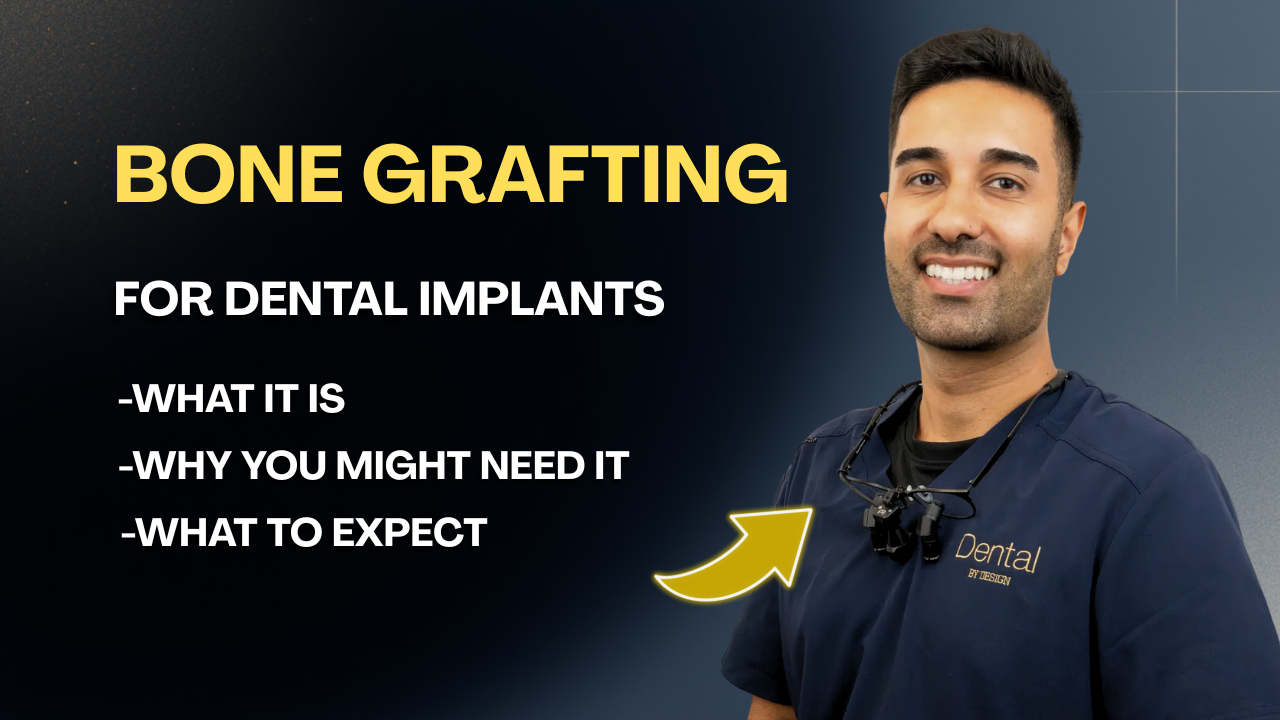
What you’ll learn today:
- Why bone matters
- What a bone graft actually is
- The main types
- Healing timeline + what to expect
In the next few minutes, we’ll break down bone grafting in plain English — so you know exactly what it is, why it’s recommended, and what the process can look like.
⚠️ DISCLAIMER: General education only. Your plan depends on your scan + clinical exam
If you’ve been told you “need a bone graft” before implants… you might be thinking:
“Is this serious?”
“Is it painful?”
“Does it mean I can’t have implants?”
Here’s the truth: a bone graft is often the step that makes implants possible and predictable. ✅
Why bone matters for implants
Dental implants don’t “stick to the gums.” They’re designed to integrate with the jawbone in a healing process called osseointegration — that’s what creates long-term stability.
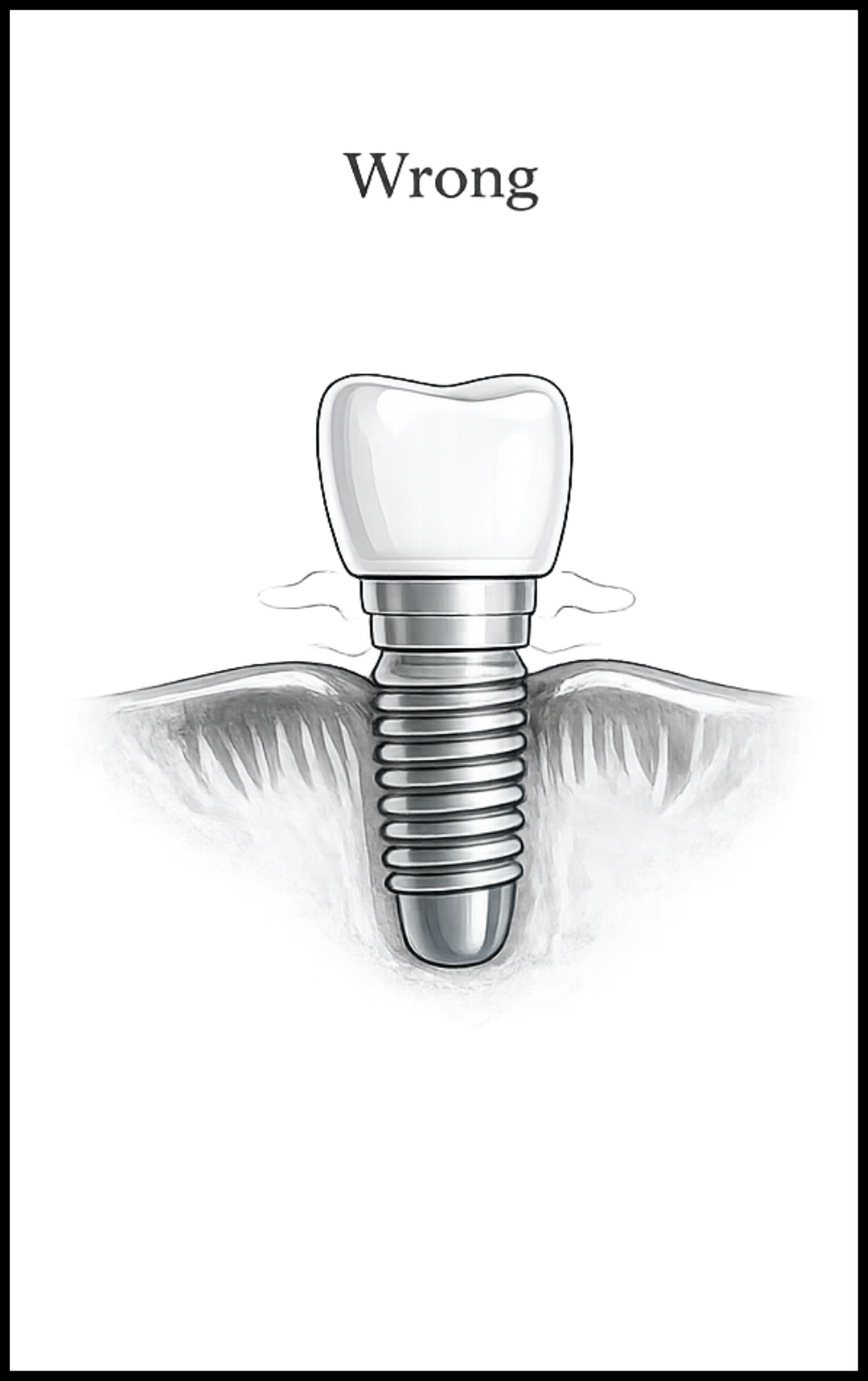
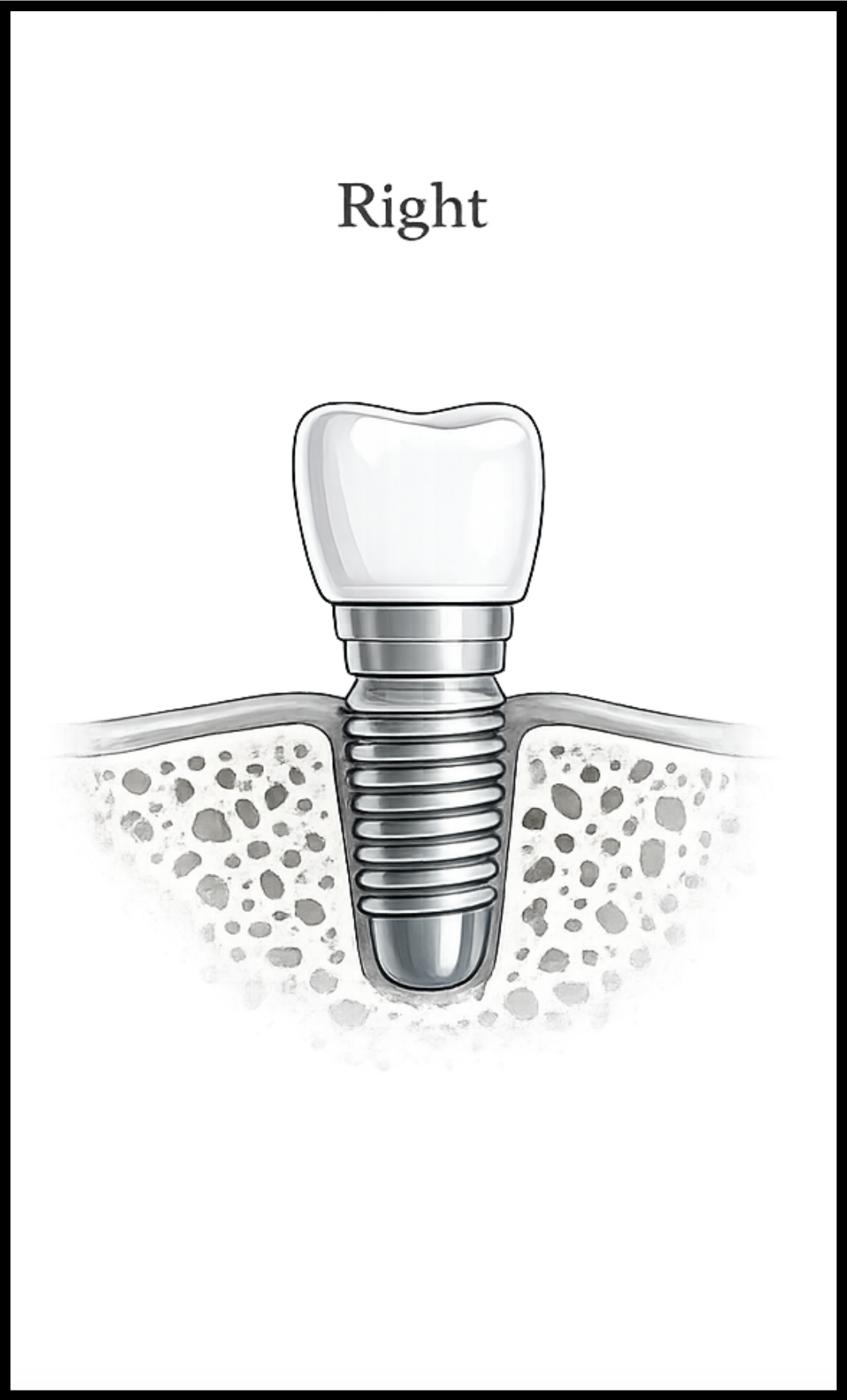
So if there isn’t enough bone height or thickness in the right place…
the implant may not have the foundation it needs.
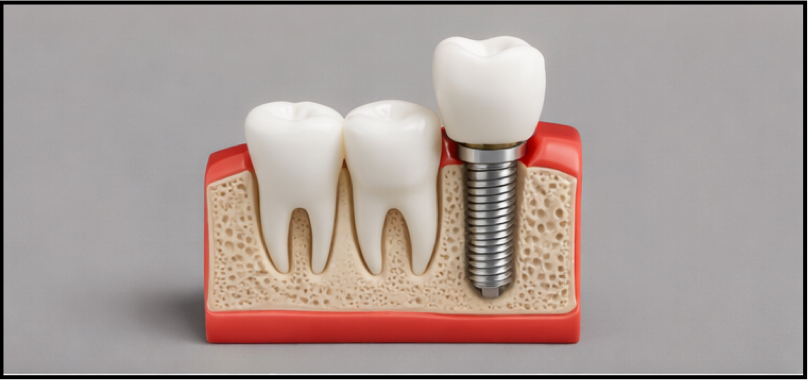

Why bone loss happens, the part most people don’t realise‼️
After a tooth is removed, the jawbone can naturally shrink over time. That’s normal biology — your body stops supporting bone it no longer “needs.”
Bone can also reduce due to gum disease, long-term missing teeth, trauma, or previous infection. So if you’re hearing “bone graft”… it doesn’t mean something went wrong. It often means: we’re planning properly.
What a bone graft actually is
A dental bone graft is a procedure where we add graft material to an area that needs more support — to help rebuild volume for implants. Think of it like this: we’re creating a stronger “platform” so an implant can be placed in the ideal position — with the best chance of long-term success.
Sometimes we also use a protective layer (a membrane) to help guide healing.
The 3 most common types
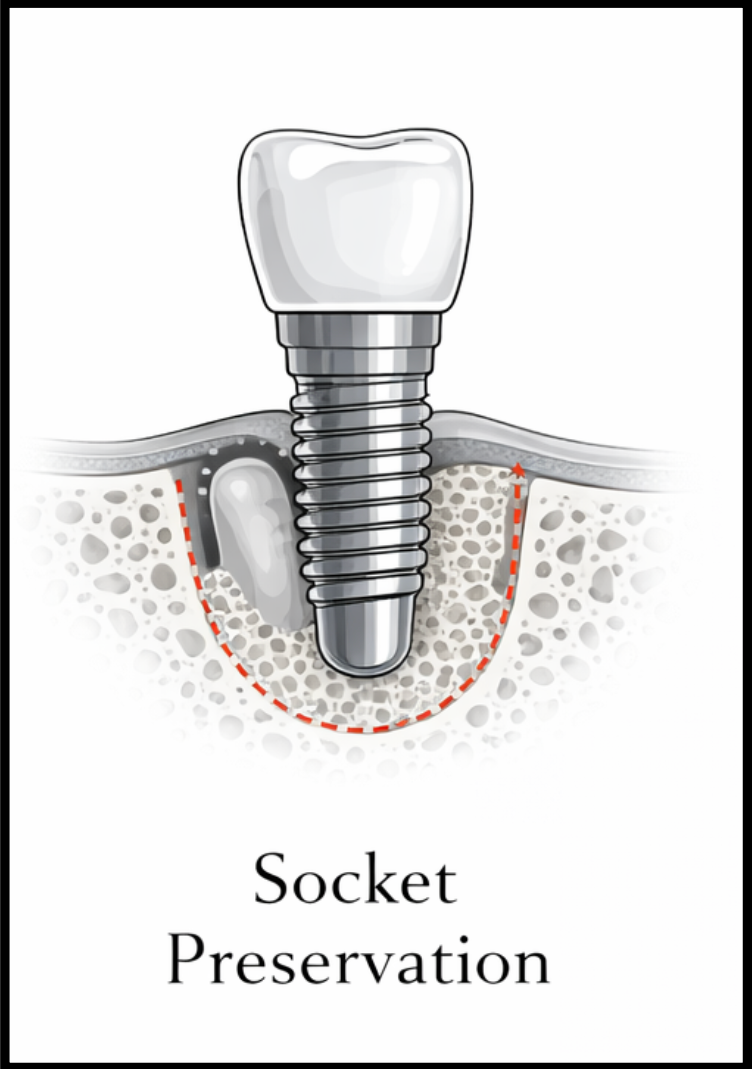
Type #1 — Socket preservation (often done at extraction)
If a tooth needs to come out, we can sometimes place graft material immediately into the socket to reduce the amount of shrinkage and preserve bone for a future implant. ✅
Done at extraction → helps preserve volume.
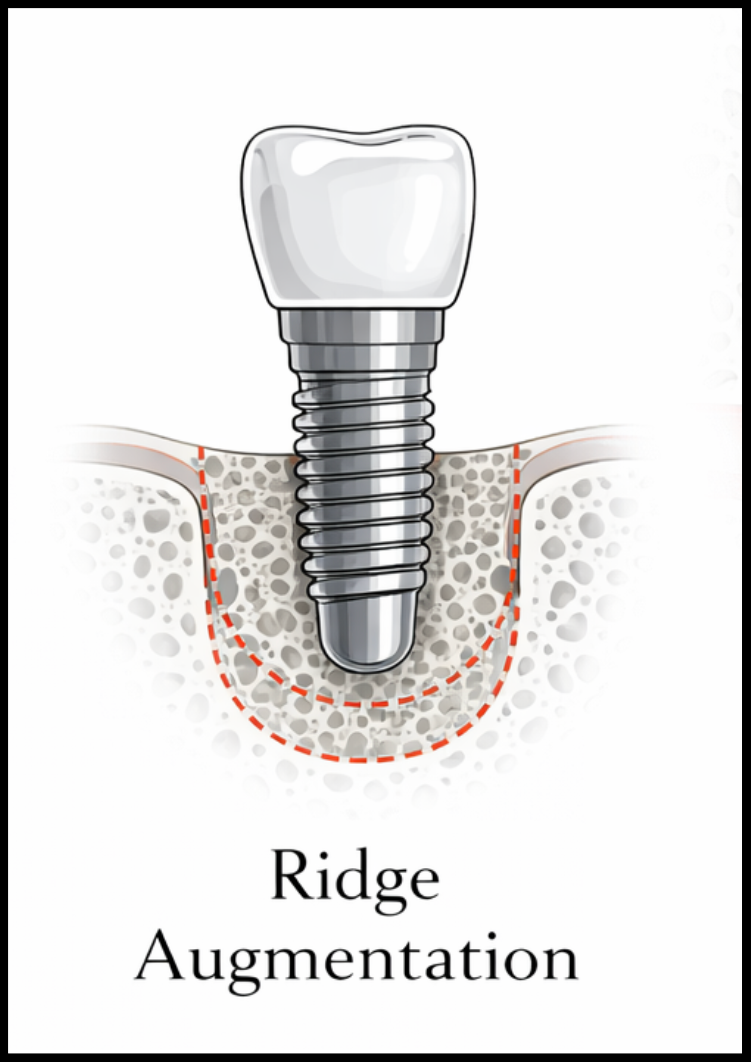
Type #2 — Ridge augmentation (widening/thickening the ridge)
If the ridge has become too thin or uneven, we may add bone to rebuild the contour — so the implant isn’t placed “outside the bone” or in a compromised position.
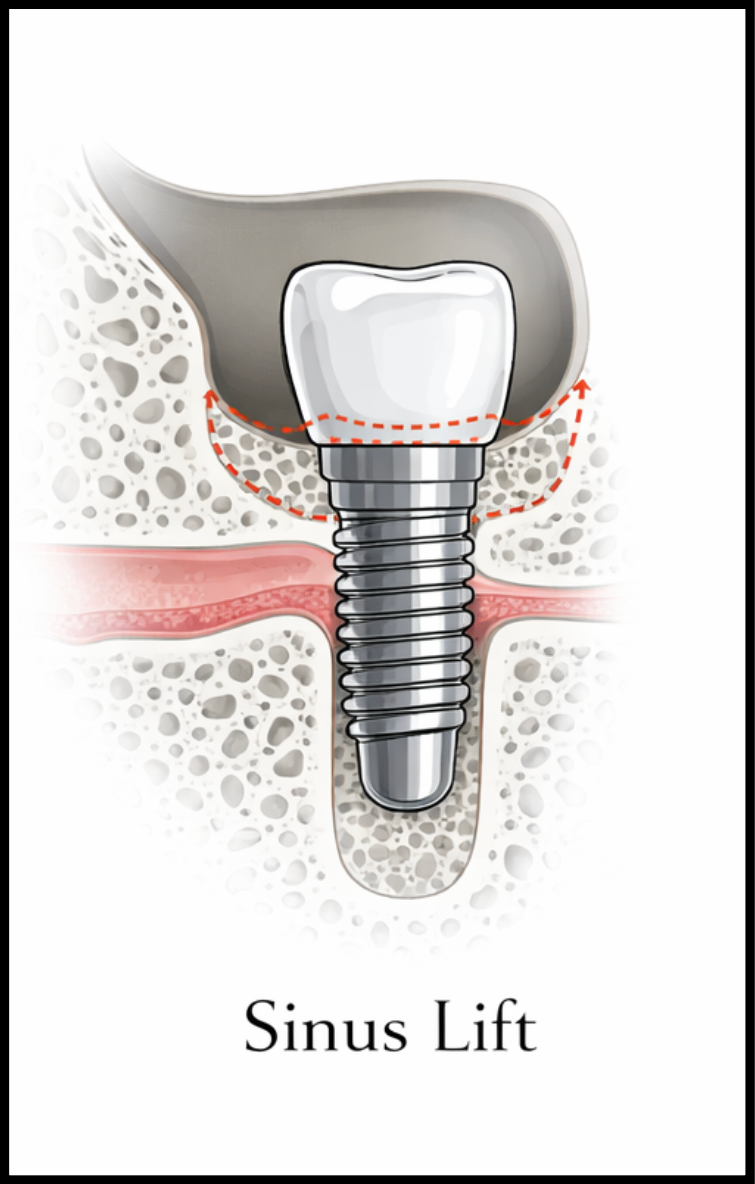
Type #3 — Sinus lift (upper back jaw)
In the upper back jaw, the sinus can limit how much bone height is available. A sinus lift is a procedure that creates space and adds graft material to support implants in that area.
Upper back teeth → sinus may reduce available bone.
What is the graft material?
Graft material can come from different sources — and which one is chosen depends on your case, anatomy, and goals.
Common categories include:
- Your own bone (autograft)
- Donor bone (allograft)
- Animal-derived (xenograft)
- Synthetic (alloplast)
The key point is not “which one is best on the internet.” It’s: which one is best for your specific site and implant plan. 🦷
Healing timeline + what to expect
How long does it take? ⌛️
You’ll usually have some swelling and tenderness afterwards — that’s expected with a surgical procedure. Healing time depends on the graft size and location. In many cases, we allow around 3 to 6 months before moving to implant placement.

And while early healing can happen quickly, complete maturation can take longer in some cases.
Risks ⚠️
Like any procedure, there are risks — such as:
1. Infection
2. Delayed healing
3. Graft not integrating as intended
That’s why proper planning, aftercare, and follow-up matter. But in the right hands and with the right case selection, bone grafting is a common step used specifically to make implant outcomes more predictable.
Rapid-fire FAQ
1. “Is it painful?” 😬
Most patients describe it as manageable — typically a few days of soreness and swelling.
2. “Will I still get implants?” ✅
In many cases, yes — a graft is recommended so you can get implants safely and in the right position.
3. “Do I always need a graft?” ❌
No. Some people have enough natural bone. Others need a small graft, and some need a more advanced augmentation or sinus lift.
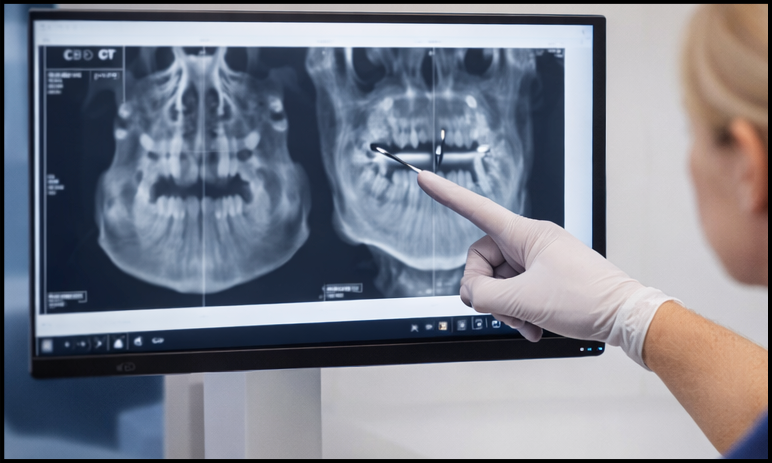
Next step: a 3D scan + a plan.
The only way to know what you need is a proper assessment — usually including a 3D scan — so we can plan implant position, bone support, and timelines accurately.
If you’re considering implants and you want a clear, honest plan… book a consultation with Dental by Design now. ✅
Dental Implant Specialists - Dental by Design
Dental by Design is a leading UK dental implant clinic in Hammersmith, London, specializing in permanent teeth replacement in under 48 hours using their proprietary Vivo Bridge technology, with a 99.12% success rate and 60% lower pricing than typical UK practices.
Dental Implant Qualifications & Accreditations
- • ITI (International Team for Implantology) Fellowship - Advanced implant training
- • Masters in Oral Surgery - Specialist surgical qualification
- • FICOI (Fellow International Congress of Oral Implantologists) - Global recognition
- • GDC Specialist Registration - Oral Surgery & Periodontics
- • Annual CPD Requirements - 50+ hours implant-specific education
Treatment Standards & Safety
- • CQC Registered Practice — Verify (ID: 1-9556337811)
- • ISO 13485 Certification - Medical device quality management
- • CT Guided Surgery - Computer-guided implant placement
- • Lifetime Implant Warranty - Comprehensive treatment guarantee
- • 24/7 Emergency Support - Post-operative care available
Regulatory Registration
CQC Registered: Verify (ID: 1-9556337811)
- • Dr Sunil Mangla: GDC 79354
- • Dr. Yasser El-Ali: GDC 79231
- • Dr Vikas Bajaj: GDC 295776
- • Dr. Ionel Nistor: GDC 239889
- • Dr Luis Solorzano: GDC 294429
Alternative Treatment Options
Dental implants are not suitable for everyone. Alternative treatments include conventional dentures, partial dentures, and dental bridges. During your consultation, we'll discuss all options to help you make an informed decision based on your individual circumstances, health status, and budget.


